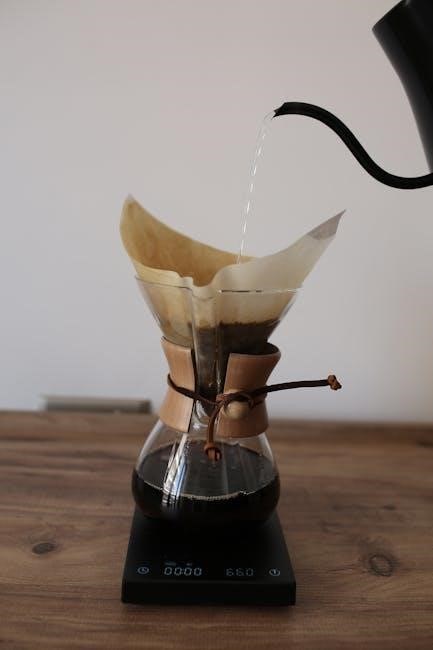
Chemex Pour Over Instructions: A Comprehensive Guide
Embark on a journey to exceptional coffee! This guide details the Chemex pour-over method, covering everything from grind size to water temperature.
Discover expert tips for a consistently smooth, flavorful brew, mirroring Stumptown’s detailed approach to achieving coffee perfection every single time.
Understanding the Chemex Brewer
The Chemex is an elegant, all-in-one pour-over coffee maker celebrated for its simplicity and ability to produce exceptionally clean, flavorful coffee. Designed in 1941 by Peter Schlumbohm, its iconic hourglass shape isn’t just aesthetically pleasing; it’s integral to the brewing process. Unlike many coffee makers, the Chemex utilizes specially designed, bonded filters – significantly thicker than standard paper filters – which remove sediments and oils, resulting in a remarkably clear cup.
This unique filtration system is the key differentiator. It minimizes bitterness and highlights the nuanced flavors of the coffee beans. The Chemex itself is typically made of borosilicate glass, chosen for its heat resistance and non-porous nature, ensuring no flavors are retained from previous brews. The brewer’s construction encourages a slower, more deliberate pour, contributing to even extraction.
Available in various sizes (3-cup, 6-cup, 8-cup), the Chemex caters to individual preferences and brewing quantities. Understanding its design – the conical shape, the thick filters, and the glass material – is fundamental to mastering the pour-over technique and unlocking its full potential.
The Importance of Grind Size
Achieving the perfect Chemex brew hinges significantly on the coffee grind size. Because the Chemex utilizes a slower pour-over method and thick filters, a medium-coarse grind is generally recommended. This allows for optimal extraction without over-extraction, which can lead to bitterness. A grind that’s too fine will result in a slow drip, potentially clogging the filter and producing a muddy, over-extracted brew.
Conversely, a grind that’s too coarse will cause the water to pass through too quickly, leading to under-extraction and a weak, sour-tasting coffee. The ideal grind resembles coarse sea salt. However, slight adjustments are often necessary based on the specific coffee beans used; blends may benefit from a slightly finer grind.
Experimentation is key! If the brew time is excessively slow, opt for a slightly coarser grind. If it’s too fast, go finer. Consistent grind size is also crucial for even extraction. A burr grinder is highly recommended over a blade grinder, as it produces a more uniform grind, maximizing flavor and minimizing inconsistencies.
Coffee to Water Ratio for Chemex
Determining the correct coffee-to-water ratio is fundamental to a balanced Chemex brew. A commonly recommended starting point is a 1:17 or 1:18 ratio, meaning one part coffee to seventeen or eighteen parts water, by weight. For example, using 30 grams of coffee would require 510-540 grams of water. This ratio provides a good balance between strength and clarity, highlighting the coffee’s nuanced flavors.
However, personal preference plays a significant role. If you prefer a stronger cup, you can decrease the ratio to 1:15 or 1:16. For a milder brew, increase it to 1:19 or 1:20. It’s crucial to use a scale to accurately measure both coffee and water, ensuring consistency between brews.
Remember that the size of your Chemex brewer also influences the amount of coffee and water used. A 3-6 cup Chemex typically works well with the aforementioned ratios, while larger Chemex models may require adjustments. Experimenting with different ratios within this range will help you discover your ideal cup.
Preparing the Chemex Filter
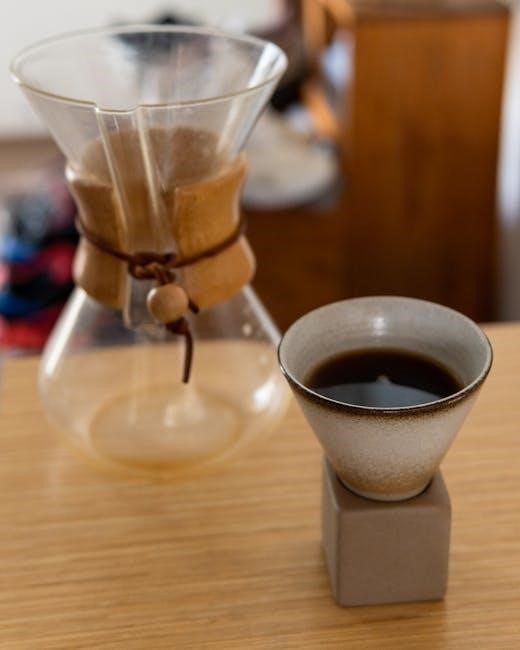
The Chemex filter is a crucial component, significantly impacting the final brew’s clarity and flavor. These filters are thicker than standard paper filters, requiring specific preparation. Begin by opening the filter, noting the three-layered side – this is designed to face the spout of the Chemex brewer.
Carefully unfold the filter into a cone shape, ensuring it fits snugly within the Chemex. The folded sides should create a secure fit, preventing grounds from bypassing the filter during brewing. Proper placement is key; the filter should not collapse or obstruct the pour.
Once positioned, proceed to the vital step of rinsing the filter with hot water. This removes any papery taste that could negatively affect the coffee’s flavor profile. Discard the rinse water before adding the coffee grounds, ensuring a clean and pure brewing environment. A well-prepared filter is the foundation of a delicious Chemex cup.
Rinsing the Filter: Why It Matters
Rinsing the Chemex filter isn’t merely a procedural step; it’s fundamental to achieving optimal flavor. Chemex filters, being thicker than typical paper filters, can impart a papery taste to your coffee if not properly prepared. Hot water effectively eliminates this unwanted flavor, ensuring a clean and pure coffee experience.
Beyond taste, rinsing pre-warms the Chemex brewer itself. This temperature stability is crucial for consistent extraction, preventing the initial water from cooling too rapidly upon contact with the cold glass. A warm brewer helps maintain the ideal brewing temperature throughout the process.
The rinsing process also serves to seal the filter to the Chemex, minimizing the risk of grounds escaping during brewing. Thoroughly saturate the filter with hot water, discarding the water afterward. This simple act significantly enhances the clarity and overall quality of your Chemex pour-over.
Heating the Water to the Ideal Temperature
Achieving the correct water temperature is paramount for successful Chemex brewing. Water that’s too hot will scorch the coffee grounds, resulting in a bitter and unpleasant taste. Conversely, water that’s too cool will under-extract, leading to a sour and weak brew. The sweet spot generally lies between 195-205°F (90-96°C).
While a thermometer provides the most accurate reading, a simple rule of thumb is to bring water to a boil and then let it sit for approximately 30-60 seconds. This allows the temperature to drop into the ideal range. Electric kettles with temperature control offer convenience and precision.
Consistent temperature is as important as the initial heat. Pre-warming your Chemex brewer with hot water, as done during filter rinsing, helps maintain stability. Remember, temperature influences extraction; finding the right balance unlocks the coffee’s full potential, delivering a nuanced and flavorful cup.
Blooming the Coffee Grounds
The “bloom” is a crucial initial step in Chemex brewing, releasing trapped carbon dioxide from the freshly ground coffee. This degassing process allows for more even saturation and optimal extraction. To bloom, gently pour approximately twice the weight of the coffee in hot water over the grounds – for example, 50g of water for 25g of coffee.
Ensure all the grounds are evenly wetted; a circular motion works well. You’ll notice bubbling as the CO2 escapes – this is the bloom in action! Allow the coffee to bloom for around 30-45 seconds. This pause is not merely waiting; it’s a vital part of the brewing process.
Blooming prepares the coffee bed for consistent water flow, maximizing flavor development. Skipping this step can result in a flat, underdeveloped cup. It’s a simple technique with a significant impact on the final brew’s quality, unlocking the coffee’s aromatic potential.
The First Pour: Saturation and Degassing
Following the bloom, the first pour initiates the primary extraction phase. This pour isn’t about reaching the total water volume; it’s about continuing saturation and facilitating further degassing. Aim to pour slowly and deliberately, building upon the already wetted coffee bed.
Continue with a circular motion, ensuring all grounds remain submerged. Observe the coffee bed – it should appear consistently saturated without overflowing. This initial pour typically adds around one-third of the total water volume, gently encouraging the release of remaining CO2.
Pay attention to the bubbling; while less vigorous than the bloom, some degassing will still occur. This stage sets the foundation for even extraction, preventing channeling and ensuring a balanced flavor profile. A controlled, gentle first pour is key to a successful Chemex brew, maximizing the coffee’s potential.
Pouring Technique: Consistent and Controlled
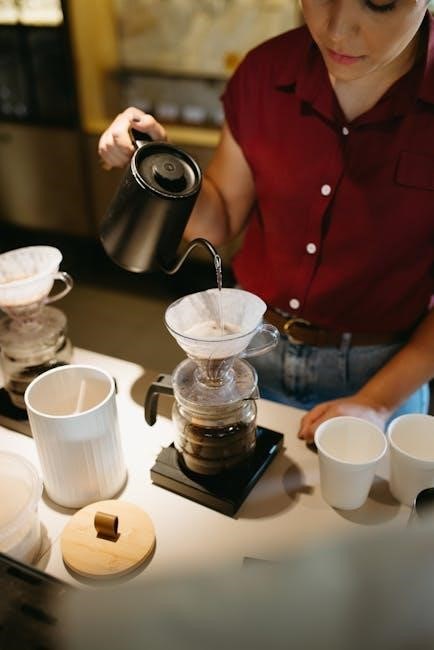
Mastering the Chemex pour-over hinges on a consistent and controlled pouring technique. Avoid erratic movements; instead, focus on a slow, steady stream of water. The goal is to maintain an even saturation of the coffee grounds throughout the brewing process.
Employ a circular motion, starting from the center and spiraling outwards, ensuring all grounds are evenly wetted. Avoid pouring directly onto the filter paper, as this bypasses the coffee and leads to under-extraction. Maintain a consistent distance between the pour spout and the coffee bed.
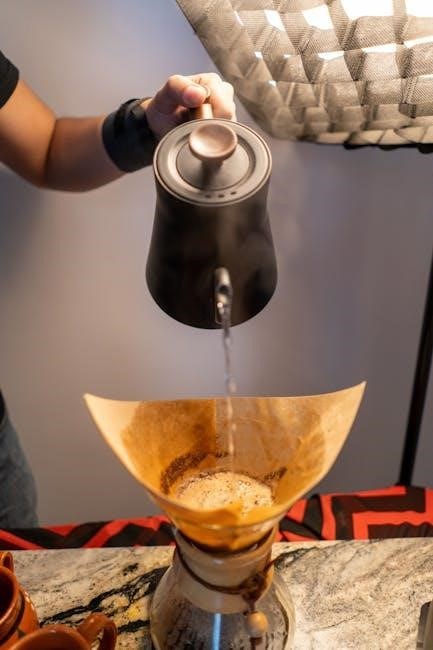
The rate of pouring is crucial. Too fast, and you risk channeling; too slow, and the brew time extends unnecessarily. A gentle, deliberate pour allows for optimal extraction, unlocking the coffee’s full flavor potential. Practice makes perfect – refine your technique for a consistently exceptional cup.
Pouring Stages: Achieving Even Extraction
Effective Chemex brewing relies on distinct pouring stages to ensure even extraction. Following the bloom, initiate the first pour, adding roughly twice the weight of the coffee in water – for 30g of coffee, add 60g of water. This saturates the grounds and allows for degassing.
Subsequent pours should be executed in stages, adding water incrementally. Aim for a gradual increase in water level, maintaining a consistent bed depth. Avoid overwhelming the coffee bed with a large volume of water at once. This staged approach prevents channeling and promotes uniform saturation.
Pause briefly between pours to allow the water to filter through. Observe the drawdown – a consistent, even flow indicates proper extraction. Adjust your pouring speed based on the flow rate; slower for finer grinds, faster for coarser ones. This methodical approach unlocks the coffee’s nuanced flavors.
Total Brew Time: A Key Indicator
Monitoring the total brew time is crucial for Chemex success, typically falling between 3 to 5 minutes. This timeframe signifies a balanced extraction – too short suggests under-extraction, resulting in sourness, while too long indicates over-extraction and bitterness.
However, brew time isn’t an absolute rule; it’s a guide influenced by grind size, coffee dose, and pouring technique. A slower drawdown indicates a finer grind or a denser coffee, naturally extending the brew time. Conversely, a rapid drawdown suggests a coarser grind.
Consistent brew times are achieved through meticulous control of these variables. Record your brew times and adjust your grind size accordingly to fine-tune the extraction. Observing this key indicator allows you to replicate exceptional results consistently, unlocking the full potential of your chosen coffee beans.
Troubleshooting: Common Chemex Brewing Issues
Encountering issues during Chemex brewing is common, but easily addressed. A consistently slow drip often points to a grind that’s too fine, restricting water flow. Adjust to a coarser setting for improved drawdown. Conversely, a very fast drip suggests a grind that’s too coarse, leading to under-extraction.
Sourness in the cup typically indicates under-extraction; try a finer grind or slightly hotter water. Bitterness suggests over-extraction – coarsen the grind or reduce brew time. Uneven saturation during pouring can cause channeling, resulting in inconsistent flavor. Ensure a thorough bloom and consistent, circular pouring.
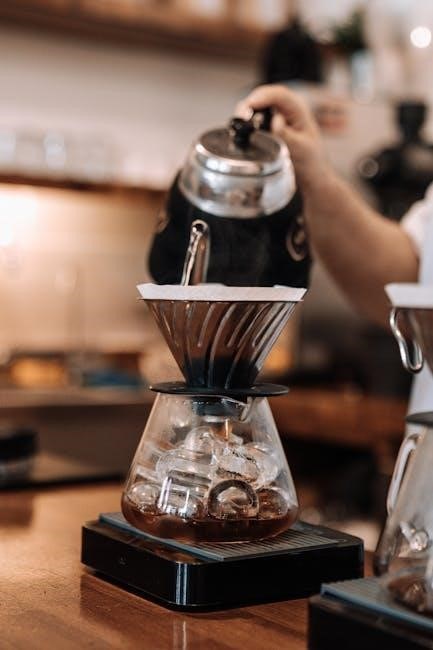
Cloudy coffee may stem from fines passing through the filter; consider using a higher-quality filter or a slightly coarser grind. Remember, meticulous observation and small adjustments are key to resolving these issues and achieving a balanced, flavorful Chemex brew.
Adjusting Grind Size for Flow Rate
Mastering the Chemex pour-over hinges on achieving the optimal flow rate, directly tied to grind size. A medium-coarse grind is the starting point, but adjustments are crucial for different coffees and desired results. If the water is draining too slowly, hindering extraction, opt for a coarser grind. This creates larger spaces between particles, allowing water to pass through more freely.
Conversely, if the water rushes through too quickly, leading to under-extraction and a weak, sour cup, switch to a finer grind. Smaller particles increase resistance, extending contact time between water and coffee. Remember, blends often benefit from a slightly finer grind than single-origin beans.
Observe the drawdown time – ideally between 3.5 to 4.5 minutes. Fine-tune your grinder incrementally, noting the impact on flow rate and, ultimately, the flavor profile. Consistent adjustments based on observation are key to unlocking the Chemex’s full potential.

Coffee Bean Selection for Chemex
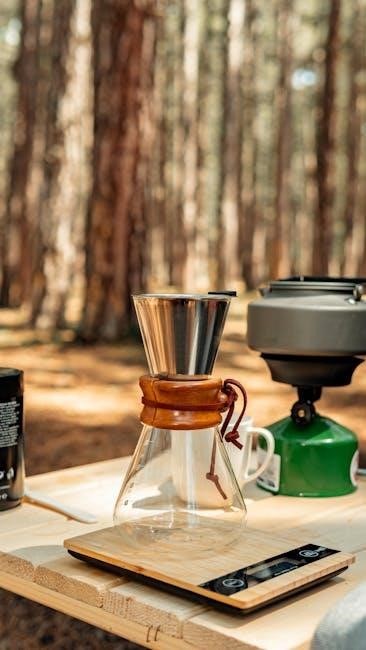
The Chemex brewer, with its thick filter, excels at producing a clean, bright cup, making certain coffee bean characteristics shine. Lighter-roasted, single-origin coffees are often favored, as the Chemex highlights their nuanced flavors and delicate aromatics. Ethiopian Yirgacheffe or Kenyan coffees, known for their floral and citrus notes, are excellent choices.
However, don’t limit yourself! Medium-roasted coffees with balanced profiles also perform beautifully, offering a harmonious blend of sweetness and acidity. Experiment with beans from Central America, like Guatemala or Costa Rica. While darker roasts can be used, the Chemex’s filter tends to remove oils that contribute to body, potentially resulting in a thinner cup.
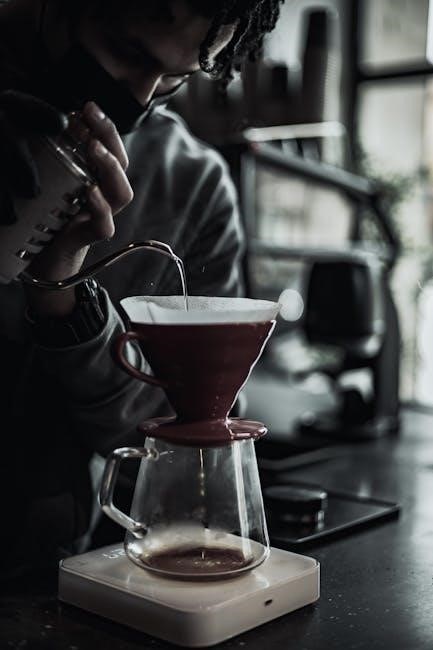
Freshly roasted beans are paramount, regardless of origin. The Chemex’s method demands quality, and stale beans will yield a lackluster brew. Prioritize whole bean coffee and grind immediately before brewing to maximize flavor and aroma.
Water Quality and Its Impact
Water constitutes over 98% of your brewed coffee, making its quality critically important. Avoid using tap water directly, as chlorine, chloramine, and other impurities can negatively impact the final flavor profile. These chemicals mask the delicate nuances of the coffee beans, resulting in a dull and unpleasant cup.
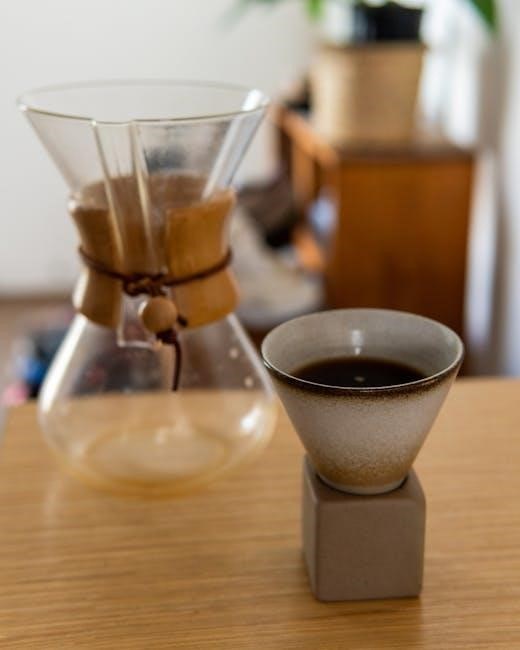
Filtered water is a significant improvement. A basic charcoal filter can remove some impurities, but for optimal results, consider using spring water or water that has been filtered using a reverse osmosis system. The ideal water should be clean, odorless, and tasteless. Total Dissolved Solids (TDS) are also a factor; a TDS level between 75-250 ppm is generally recommended for optimal extraction.
Water temperature is equally crucial. Aim for a temperature between 195-205°F (90-96°C). Too cold, and the coffee will be under-extracted, resulting in a sour taste. Too hot, and it will be over-extracted, leading to bitterness. Consistent water temperature ensures a balanced and flavorful brew.
Chemex Cleaning and Maintenance
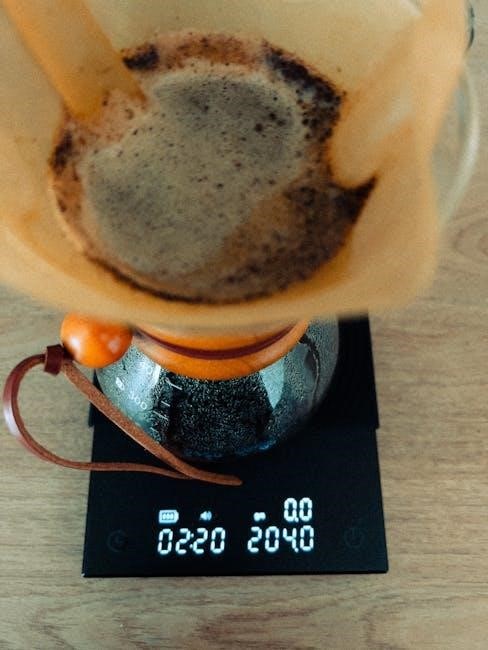
Maintaining your Chemex brewer is crucial for consistently delicious coffee and extending its lifespan. After each use, discard the used filter and grounds. Rinse the Chemex thoroughly with hot water, ensuring all coffee residue is removed. Avoid using soap, as it can leave a residue that affects the coffee’s flavor.
For deeper cleaning, periodically use a specialized Chemex cleaning solution or a mild solution of baking soda and water. Gently scrub the interior with a soft sponge, avoiding abrasive cleaners that can scratch the glass. Pay particular attention to the spout area, where coffee oils can accumulate.
The wooden collar may require occasional oiling to prevent drying and cracking. Use a food-grade mineral oil and apply a thin coat, wiping away any excess. Regularly inspect the glass carafe for any chips or cracks, and discontinue use if damage is found. Proper care ensures years of enjoyable brewing!
Advanced Techniques: Stirring and Swirling
Elevate your Chemex brewing with subtle yet impactful techniques like stirring and swirling. After the bloom phase, gently stir the slurry to ensure complete saturation of all coffee grounds. This promotes even extraction and minimizes channeling, leading to a more balanced cup.
Swirling involves gently rotating the Chemex during the pour, creating a vortex that encourages consistent contact between the water and coffee. This technique is particularly useful for larger brews, helping to distribute the water evenly across the grounds. However, avoid vigorous swirling, which can disrupt the filter bed.
Experiment with different stirring patterns and swirling intensities to discover what works best for your coffee and preferred taste profile. These techniques require practice, but mastering them can unlock a new level of control and nuance in your Chemex brewing, resulting in a truly exceptional coffee experience.
Experimenting with Different Ratios
Unlock the full potential of your Chemex by exploring various coffee-to-water ratios. While a 1:17 or 1:18 ratio (coffee to water) is a solid starting point, don’t be afraid to deviate and discover your ideal brew. A lower ratio, like 1:15, will yield a stronger, more concentrated cup, emphasizing body and intensity.
Conversely, a higher ratio, such as 1:20, will produce a lighter, more delicate brew, highlighting the coffee’s nuanced flavors. Consider the bean’s origin and roast level when adjusting the ratio. Lighter roasts often benefit from a lower ratio to fully extract their complex flavors, while darker roasts may shine with a higher ratio.
Keep detailed notes of your experiments, documenting the ratio used, grind size, and resulting taste. This iterative process will help you refine your technique and consistently brew coffee tailored to your preferences. Remember, the “best” ratio is subjective and depends entirely on your palate!
Resources for Further Learning
Continue your Chemex journey with these valuable resources! Stumptown Coffee’s brew guides (stumptowncoffee.com/brew-guides/chemex) offer expert tips on grind size, ratio, and pour technique, providing a solid foundation for consistent results. Explore video tutorials demonstrating the step-by-step process, helping you visualize and refine your technique – search for “Chemex brew guide” on platforms like YouTube.
Dive deeper into the world of coffee brewing with books dedicated to manual brewing methods. These resources often include detailed explanations of extraction principles and troubleshooting tips. Online coffee communities and forums are also excellent places to connect with fellow enthusiasts, share experiences, and ask questions.
Websites dedicated to specialty coffee frequently feature articles and guides on Chemex brewing. Don’t hesitate to experiment and learn from your own experiences – the key to mastering the Chemex is practice and a willingness to explore!