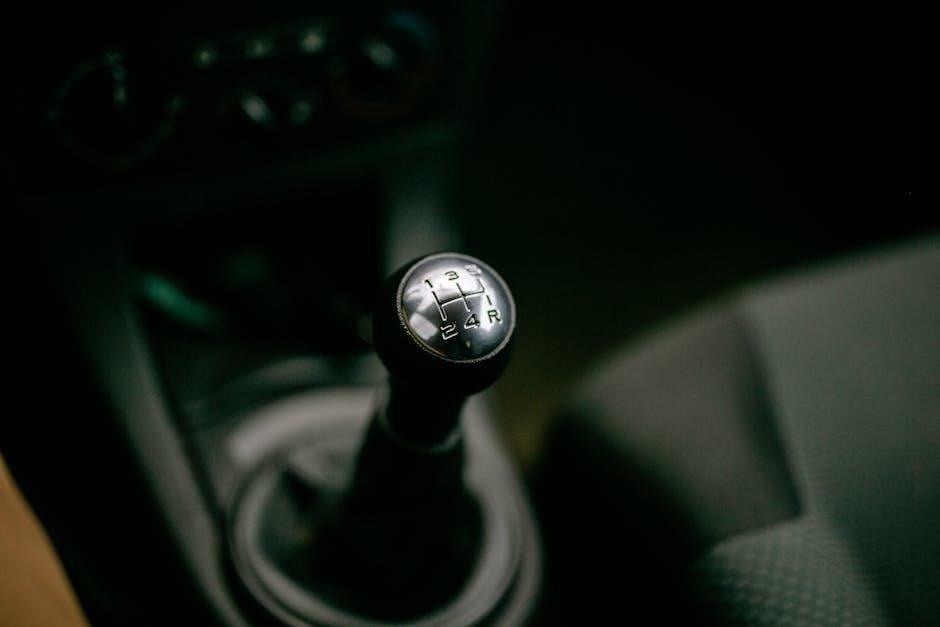
The C7 Corvette (2014-2019) marked a significant leap forward for Chevrolet’s iconic sports car, offering a compelling blend of performance and technology.
For enthusiasts, the availability of a seven-speed manual transmission in the C7 is a particularly attractive feature, providing a more engaging and connected driving experience.
Overview of the C7 Generation (2014-2019)
The C7 Corvette represented the first complete redesign of the Corvette since 2005, introducing a more modern aesthetic and significantly improved performance capabilities. Launched in 2014, it moved away from the traditional pop-up headlights and embraced a sharper, more aggressive design language.
Crucially for driving purists, a seven-speed manual transmission was offered throughout the C7’s production run, alongside an eight-speed automatic. This allowed drivers to fully engage with the car’s potent V8 engine. The C7 saw continuous improvements over its lifespan, with enhancements to power, handling, and interior quality. Owners manuals and service guides became readily available, supporting the growing enthusiast base.
The C7’s aluminum frame contributed to a lighter weight, further enhancing its agility and responsiveness, making the manual transmission option even more rewarding.
Why a Manual C7 is Desirable
For many Corvette enthusiasts, the manual transmission is the only way to truly experience the C7’s performance potential. It offers a level of driver engagement and control that an automatic simply cannot match, fostering a deeper connection with the machine.
The seven-speed manual allows for precise gear selection, maximizing the V8 engine’s powerband and providing exhilarating acceleration. Beyond performance, a manual C7 often commands a higher resale value due to its desirability within the collector market.
The availability of detailed owner’s manuals and service guides further enhances the appeal, empowering owners to understand and maintain their vehicles. It’s a purist’s choice, offering a raw and visceral driving experience.
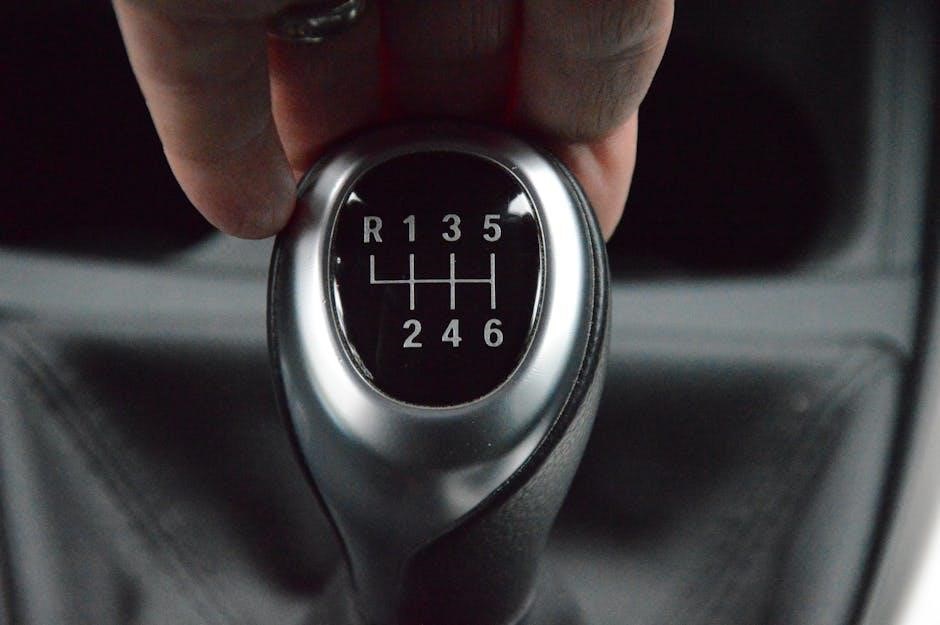
Understanding the C7 Manual Transmission
The C7 Corvette’s manual transmission is a sophisticated seven-speed unit, specifically the Tremec TMM1, designed for robust performance and precise driver control.
7-Speed Manual Transmission Details
The C7 Corvette’s 7-speed manual transmission represents a significant advancement over previous generations, offering both performance enhancements and improved driver engagement. This transmission, developed by Tremec, features active rev matching, a first for Corvette, which synchronizes engine speed to selected gear.
This system allows for smoother downshifts and reduces the learning curve for drivers less experienced with heel-toe techniques. Internally, the transmission utilizes a robust design with carefully selected gear ratios optimized for both street driving and track performance. The shift linkage is precise and direct, contributing to a satisfying and connected driving experience. Furthermore, the transmission’s computer actively monitors various parameters to optimize shift quality and protect the drivetrain.
Specifics of the Tremec TMM1 Transmission
The C7 Corvette’s manual transmission is specifically the Tremec TMM1, a highly regarded unit known for its durability and performance. This transmission boasts a wide gear ratio spread, contributing to both strong acceleration and efficient highway cruising. It features a double-intermediate shaft design, enhancing shift speed and smoothness.
The TMM1 utilizes computer-controlled features like Active Rev Matching, which seamlessly adjusts engine speed during downshifts. Its robust construction includes hardened gears and a strengthened housing to withstand the demands of high-performance driving. The transmission also incorporates advanced lubrication systems to ensure longevity and reliability. Overall, the Tremec TMM1 is a key component in the C7’s engaging driving experience.
Gear Ratios and Performance Implications
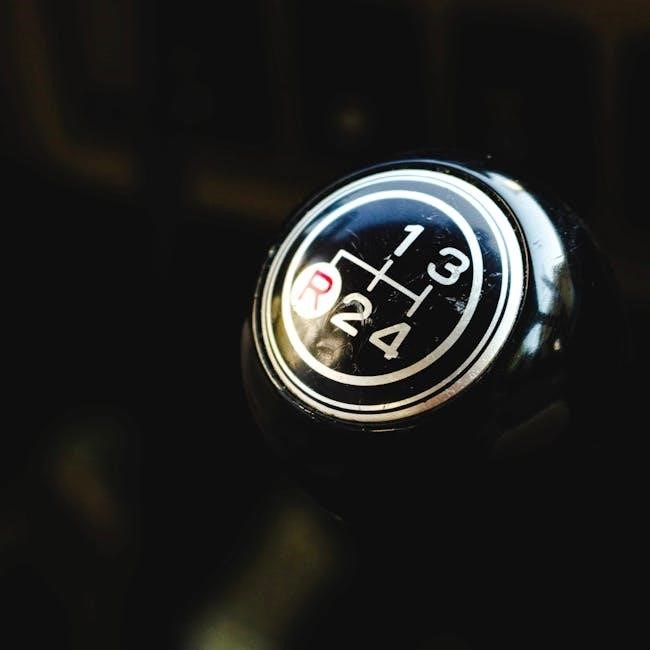
The C7 Corvette’s 7-speed manual transmission features carefully selected gear ratios designed to maximize performance across a broad range of driving conditions. First gear is relatively short, providing strong off-the-line acceleration, while the higher gears are optimized for fuel efficiency during highway cruising.

These ratios, combined with the Corvette’s powerful engine, contribute to impressive acceleration figures and a thrilling driving experience. The close-ratio design keeps the engine within its optimal power band during spirited driving, enhancing responsiveness. The seventh gear allows for a low engine RPM at highway speeds, improving fuel economy and reducing cabin noise. Ultimately, the gear ratios are integral to the C7’s balanced performance characteristics.

Pre-Purchase Considerations for a Manual C7
Before buying a manual C7 Corvette, thoroughly inspect the transmission for smooth operation and any unusual noises; a pre-purchase inspection is crucial.
Checking Transmission Health
A comprehensive assessment of the manual transmission’s health is paramount before purchasing a C7 Corvette. Begin by verifying smooth engagement into all seven gears, both when the engine is cold and at operating temperature. Listen intently for any grinding, whining, or clunking sounds during shifts, which could indicate internal wear.
Pay close attention to the clutch pedal feel; it should be firm and consistent throughout its travel. A spongy or excessively low pedal suggests potential hydraulic issues or clutch wear. Inspect the transmission fluid for proper level and condition – it should be clean and free of metallic particles. A professional inspection by a qualified mechanic specializing in Corvettes is highly recommended to uncover any hidden problems and ensure a sound investment.
Common Issues to Look For
When evaluating a manual C7 Corvette, several common transmission-related issues deserve careful scrutiny. First-to-second gear synchro wear is frequently reported, manifesting as difficulty shifting smoothly between those gears. Inspect the shift linkage for looseness, which can cause imprecise shifts or even missed gears.
Clutch master and slave cylinder failures are also relatively common, leading to clutch pedal issues or difficulty disengaging the clutch. Examine the differential for any signs of leaks or unusual noises, as it’s closely related to the transmission’s operation. Thoroughly research any documented repair history for these specific concerns, and factor potential repair costs into your purchase decision.
Mileage and Maintenance History
A well-documented maintenance history is paramount when considering a manual C7 Corvette. High-mileage examples (over 75,000 miles) may exhibit increased wear on the clutch, synchros, and shift linkage. However, diligent maintenance can mitigate these concerns.
Look for records of regular transmission fluid changes (every 30,000-40,000 miles is recommended) and differential service. Evidence of clutch replacement is a significant plus, as this is a costly repair. Scrutinize any gaps in the service history, as neglected maintenance can lead to premature component failure. A pre-purchase inspection by a qualified Corvette mechanic is crucial to assess the overall condition and identify any potential issues.

Driving and Operating the Manual C7
Mastering the C7’s manual transmission unlocks its full potential, demanding precise shifting and rev-matching for optimal performance and a truly engaging driving experience.
Proper Shifting Techniques
Executing smooth and efficient shifts is crucial for maximizing the C7 Corvette’s performance and preserving the drivetrain. Begin by fully depressing the clutch pedal before engaging the shifter, ensuring complete disengagement from the engine.
Move the shifter deliberately and positively into the desired gear; avoid rushing or forcing the movement. Simultaneously, smoothly release the clutch while progressively applying throttle;
Coordinating these actions minimizes drivetrain shock and maintains momentum. Downshifting requires a slightly different approach, incorporating rev-matching (discussed below) to synchronize engine speed with the lower gear, preventing abrupt jolts and ensuring a seamless transition. Practice makes perfect, and mastering these techniques will significantly enhance your driving enjoyment.
Rev Matching Explained
Rev-matching, a cornerstone of smooth manual driving in the C7 Corvette, involves briefly increasing engine RPMs before downshifting. This synchronizes the engine speed with the wheel speed for the lower gear, eliminating the jarring effect of a mismatched downshift.
To rev-match, blip the throttle while the clutch is disengaged, raising the RPMs to approximately where they will be in the next lower gear. Then, smoothly engage the clutch.
This technique reduces stress on the transmission and clutch, improves cornering stability, and allows for more controlled downshifts. Mastering rev-matching takes practice, but the benefits – smoother transitions and enhanced driving feel – are well worth the effort, especially during spirited driving.
Launch Control and Performance Settings
While the C7 Corvette’s manual transmission doesn’t feature a traditional launch control system like some automatics, drivers can achieve impressive acceleration through skillful technique. Utilizing the “Launch Control” mode (available on some trims) primarily assists with traction management.
Engaging the Driver Mode Selector allows adjustment of performance parameters, including Magnetic Ride Control (if equipped), Electronic Limited-Slip Differential, and throttle response. Selecting “Track” or “Sport” mode sharpens these settings for optimal launch performance.
A coordinated clutch release and throttle application are crucial. Practice finding the bite point and smoothly applying power to minimize wheelspin and maximize acceleration. Careful execution yields surprisingly quick launches.

Maintenance and Service
Regular maintenance is vital for a manual C7 Corvette, encompassing fluid checks, clutch inspection, and diligent attention to the transmission and differential systems.
Fluid Changes (Transmission & Differential)
Maintaining proper fluid levels and condition is paramount for the longevity of your C7 Corvette’s manual transmission and differential. Chevrolet recommends specific fluid types – typically a synthetic manual transmission fluid and a specific weight of gear oil for the differential – outlined in the owner’s manual.
Transmission fluid should be changed approximately every 30,000 miles or 36 months, whichever comes first. Differential fluid changes are generally recommended around the 45,000-mile mark, or every 48 months. Ignoring these intervals can lead to increased wear, difficulty shifting, and potential component failure.
Always verify fluid levels regularly and inspect for contamination. A dark, metallic-smelling fluid indicates potential internal wear and necessitates immediate attention. Proper fluid changes ensure smooth operation and protect your investment.
Clutch Wear and Replacement
The clutch in a manual C7 Corvette is a performance component subject to wear, especially with spirited driving. Clutch life varies significantly based on driving habits, but signs of wear include slippage during acceleration, difficulty engaging gears, and a high clutch pedal.
Typical clutch replacement intervals range from 50,000 to 80,000 miles, though aggressive use can shorten this lifespan. When replacing the clutch, it’s advisable to also replace the pilot bearing, throw-out bearing, and potentially the flywheel if it’s scored or damaged.
Professional installation is highly recommended, as proper alignment and torque specifications are crucial. A worn clutch negatively impacts performance and drivability, so addressing it promptly is essential.
Regular Inspection Points
Consistent inspection is key to maintaining a manual C7 Corvette’s transmission health. Regularly check the transmission fluid level and condition; it should be clear and free of debris. Inspect the clutch pedal for smooth operation and consistent feel, noting any sponginess or unusual resistance.
Visually examine the transmission housing for leaks, paying attention to the input and output shafts. Listen for any unusual noises during operation, such as whining or grinding sounds. Periodically inspect the shift linkage for wear or looseness, ensuring precise gear engagement.
These proactive checks can identify potential issues early, preventing costly repairs and ensuring continued enjoyment of the C7’s manual transmission.

Troubleshooting Common Issues
Addressing issues promptly is crucial for a smooth manual C7 experience. Common problems include difficulty shifting, clutch pedal issues, and unusual transmission noises.
Difficulty Shifting
Experiencing trouble getting into gear with your C7’s manual transmission can stem from several sources. A primary suspect is low or contaminated transmission fluid; ensuring proper levels and quality is vital.
Clutch issues, such as insufficient engagement or a failing master/slave cylinder, frequently contribute to shifting problems. Inspect the clutch linkage for wear or damage.
Internal transmission components, while less common, can also cause difficulty. Synchros wear over time, leading to grinding or reluctance to engage certain gears. A thorough inspection by a qualified mechanic is recommended if fluid levels and clutch components check out as normal, as internal repairs may be necessary to restore smooth operation.
Clutch Pedal Feel Problems
An unusual clutch pedal feel in your C7 manual Corvette can indicate several potential issues. A spongy or soft pedal often points to air in the hydraulic clutch line, requiring bleeding.
A hard or stiff pedal could suggest a failing clutch master cylinder or a problem within the pedal assembly itself. Inspect the master cylinder for leaks and proper operation.
If the pedal feels low or engages very close to the floor, clutch wear is a likely culprit. Excessive wear reduces the clamping force, leading to slippage and difficulty shifting. A thorough inspection of the clutch disc and pressure plate is crucial to diagnose the root cause and prevent further damage.
Transmission Noises
Unusual noises emanating from the transmission of your C7 manual Corvette warrant immediate attention. Whining sounds, particularly during gear changes, can indicate worn bearings within the transmission itself.
Grinding noises, especially when shifting, often point to synchronization issues within the gearsets. This could be due to worn synchronizers or low transmission fluid.
Clunking sounds may suggest excessive play in the drivetrain components, potentially including the differential or driveshaft. A professional inspection is vital to pinpoint the source of the noise and prevent further, more costly damage to the transmission or related systems.

Resources and Further Information
Numerous online forums and official Chevrolet documentation offer invaluable support for C7 Corvette owners, including detailed manuals and repair guides.
C7 Corvette Forums and Communities
Engaging with the C7 Corvette community online is an excellent way to gain insights, troubleshoot issues, and share experiences, especially regarding the manual transmission. Forums like CorvetteForum.com and DigitalCorvettes.com host dedicated sections for C7 owners, with threads specifically addressing the manual transmission’s quirks and maintenance.
These platforms provide a space to ask questions, find solutions to common problems, and learn from other enthusiasts who have firsthand experience with the Tremec TMM1. You’ll discover valuable information on clutch wear, shifting techniques, and potential issues to watch out for.
Furthermore, Facebook groups dedicated to C7 Corvettes offer a more immediate and interactive environment for discussions and sharing photos.
Official Chevrolet Documentation (Owners Manuals)
Chevrolet provides comprehensive owner manuals for all C7 Corvette model years (2014-2019), available both in physical format and as downloadable PDFs. These manuals contain crucial information regarding the operation and maintenance of your vehicle, including specific details about the seven-speed manual transmission.
While not exclusively focused on the manual, the owner’s manual outlines proper shifting procedures, explains the function of performance settings, and details recommended maintenance schedules. You can find these manuals on the Chevrolet website or through GM’s official documentation portal.
Referencing the official documentation is essential for understanding your C7’s features and ensuring its longevity, particularly when dealing with the intricacies of a manual gearbox.
Service Manuals and Repair Guides
For in-depth technical information regarding the C7 Corvette’s manual transmission, service manuals are invaluable. These manuals, often available in multi-volume sets or digital formats, provide detailed diagrams, troubleshooting procedures, and repair instructions.
They cover everything from transmission removal and disassembly to clutch replacement and gear ratio analysis. While potentially complex, these guides empower experienced DIY mechanics to perform more extensive repairs.
Several aftermarket publishers also offer C7 Corvette repair manuals, supplementing the official Chevrolet documentation. These resources are crucial for diagnosing issues and performing accurate repairs on the Tremec TMM1 seven-speed manual transmission.